
― Sleep Disorders

Sleep Apnea: Causes, Symptoms, and treatment.

Obstructive sleep apnea causes your breathing to stop and start repeatedly during sleep. The result is fragmented rest, low oxygen, and a higher risk of serious health problems. With the right diagnosis and treatment, it is manageable.
AASM
Accredited Dental Sleep Medicine
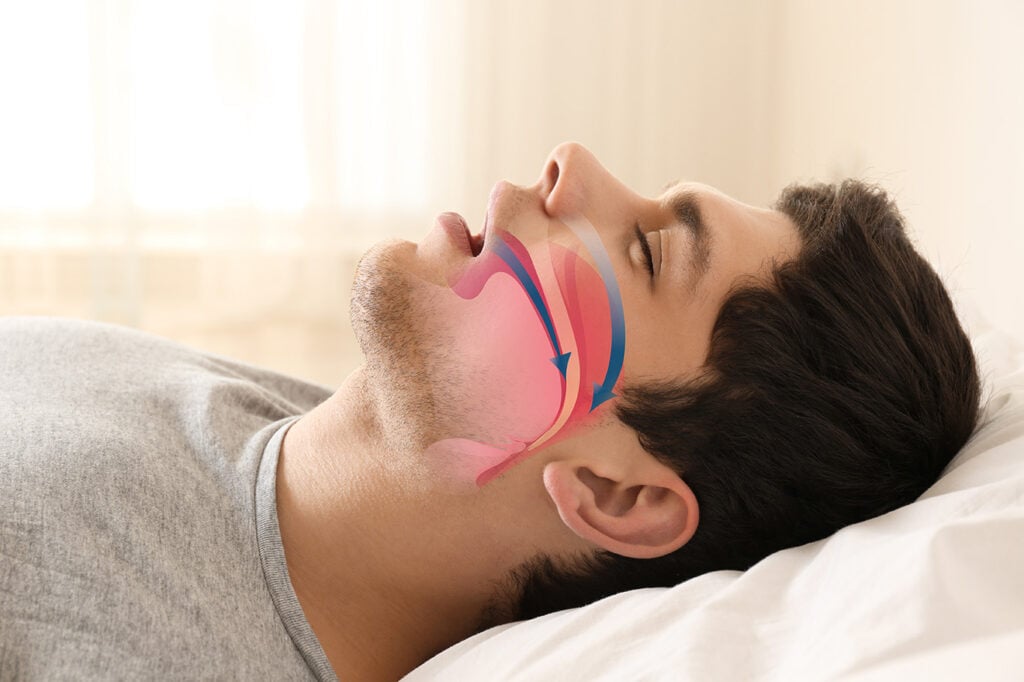
A man lies on his back in bed with a diagram showing airflow through his nose and throat, illustrating breathing during sleep.

Obstructive sleep apnea (OSA) is a sleep disorder that causes you to stop breathing repeatedly during sleep. These breathing pauses last at least 10 seconds and can happen dozens or hundreds of times per night. Sleep apnea prevents your body from getting the oxygen and rest it needs, raising the risk of heart disease, stroke, and other serious health problems. With proper diagnosis and treatment, sleep apnea can be managed effectively.

At South Bay TMJ, Sleep, Headache & Orofacial Pain Institute, our AASM-accredited Dental Sleep Medicine Department specializes in diagnosing and treating sleep apnea with comfortable, effective oral appliance therapy.
― Understanding the Condition

What Is Obstructive Sleep Apnea?

During normal sleep, the muscles in your throat relax. In most people, this does not cause a problem. But in people with obstructive sleep apnea, the throat muscles relax too much. The soft tissues in the back of the throat, including the tongue, collapse inward and partially or completely block the airway.

When your airway is blocked, your body does not get enough oxygen. Your brain detects the drop in oxygen and briefly wakes you up so you can reopen your airway. These awakenings are usually so short that you do not remember them, but they happen over and over throughout the night. The result is fragmented, poor-quality sleep that leaves you tired and puts strain on your heart and body.

Sleep apnea is classified by severity based on how many times per hour your breathing stops:

Mild
5–14

Breathing pauses per hour

Moderate
15–29

Breathing pauses per hour

Severe
30+

Breathing pauses per hour

― Symptoms

Signs You May Have Sleep Apnea

Many people with sleep apnea do not know they have it. A bed partner is often the first to notice the signs. Symptoms fall into two groups: what happens at night, and how you feel during the day.

At Night

During the Day

― Risk Factors

Who Gets Sleep Apnea?

Sleep apnea can affect anyone, regardless of age, weight, or gender. While it is more common in certain groups, healthy and fit people can develop sleep apnea too. The factors below increase your risk.

Because of the jaw connection, patients with TMJ disorders are also at higher risk for sleep apnea. The same structural factors that contribute to jaw problems can also affect airway size.
―Why It Matters

Health Risks of Untreated Sleep Apnea

Untreated sleep apnea is more than a sleep problem. The repeated drops in oxygen and the stress on your cardiovascular system can lead to serious health consequences over time.
Cardiovascular Disease
High blood pressure, heart attack, heart failure, and stroke risk all rise with untreated OSA.
01
Type 2 Diabetes
Fragmented sleep and oxygen drops contribute to insulin resistance and blood sugar problems.

02

Depression and Anxiety
Chronic poor sleep affects mood, memory, and emotional regulation over time.

03

Weight Gain

Sleep apnea disrupts the hormones that control appetite, making weight management harder.

04

Daytime Safety
Drowsiness behind the wheel raises crash risk. People with untreated OSA face higher rates of motor vehicle accidents.

05

Quality of Life
Energy, focus, relationships, and intimacy all suffer when sleep is repeatedly disrupted.

06

― Diagnosis

How Sleep Apnea Is Diagnosed

Sleep apnea is diagnosed through a sleep study. Two options exist, and the right one depends on the complexity of your case.
Home Sleep Test

A portable device you wear at home for one or two nights. It monitors your breathing, oxygen levels, heart rate, and body position. This is appropriate for most patients and is the easiest way to get a diagnosis.

In-Lab Polysomnography

A comprehensive overnight study at a sleep lab. Used for more complex cases, when home test results are unclear, or when other sleep disorders need to be ruled out at the same time.
If you have not had a sleep study, our practice can help arrange one. If you already have a diagnosis, bring your results to your appointment so we can start planning your treatment right away. Learn more about what to expect at your first visit.
― Treatment

Treatment Options for Sleep Apnea

Sleep apnea treatment has come a long way. Today, most patients have several effective options. The right choice depends on the severity of your condition and what works best for your lifestyle.

Oral Appliance Therapy

A custom oral appliance is a comfortable, effective alternative to CPAP. The appliance fits over your teeth like a retainer and gently advances your lower jaw, keeping your airway open during sleep. The American Academy of Sleep Medicine recommends oral appliances for patients with mild to moderate sleep apnea and for those with severe sleep apnea who cannot tolerate CPAP.

See our full guide to CPAP alternatives.
Our Specialty

Lifestyle Changes

Depending on your situation, your doctor may also recommend weight management, positional therapy (sleeping on your side instead of your back), avoiding alcohol before bedtime, and establishing good sleep habits. These changes can reduce the severity of mild sleep apnea and improve outcomes alongside other treatments.
― The TMJ Connection

Sleep Apnea and TMJ Disorders are Closely Linked

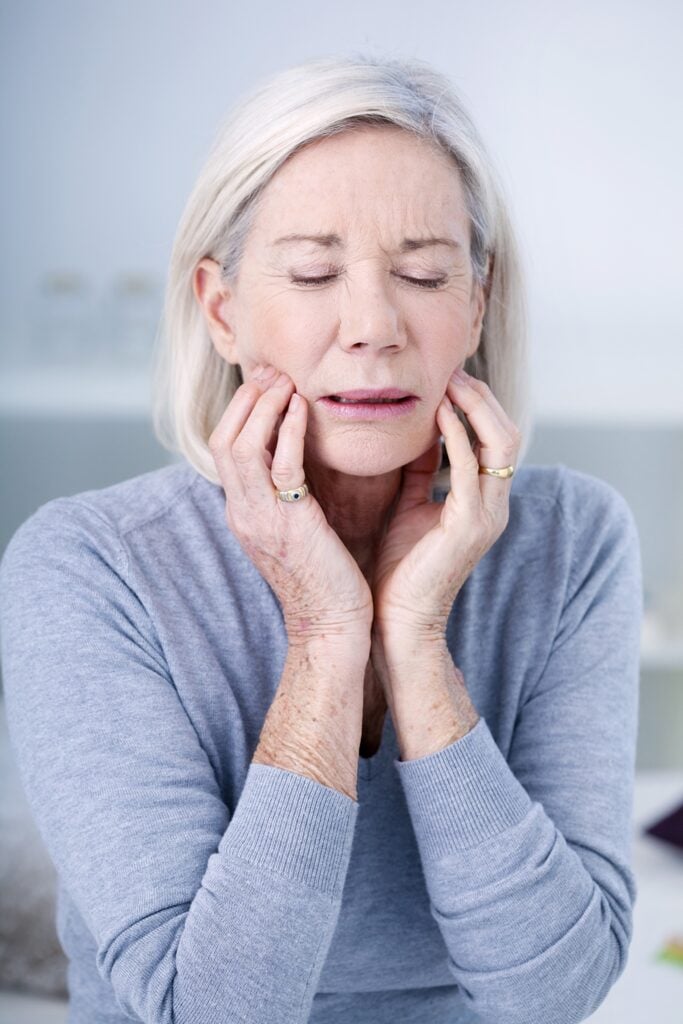
During sleep apnea episodes, your brain may trigger jaw clenching to help reopen the blocked airway. This repeated clenching leads to bruxism (teeth grinding), which can damage the TMJ and cause jaw pain, headaches, and worn teeth.

At our practice, we evaluate sleep apnea patients for signs of TMJ problems and vice versa. A custom oral appliance can often address both conditions at the same time, keeping your airway open while also protecting your jaw and teeth.
Older woman with closed eyes holding her jaw with both hands, appearing to be in pain or discomfort.
― Questions, Answered

Frequently Asked Questions About Sleep Apnea

Practical answers from our board-certified specialists. These questions come directly from patients we see at the clinic.

Yes. While excess weight is a risk factor, sleep apnea can affect people of any body type. Jaw structure, airway anatomy, genetics, and other factors all play a role. If you have symptoms of sleep apnea like loud snoring, daytime tiredness, or observed breathing pauses during sleep, you should be evaluated regardless of your weight.

Snoring is the sound of air vibrating against relaxed throat tissues. Sleep apnea involves actual pauses in breathing where the airway is blocked. You can snore without having sleep apnea, but loud snoring with choking or gasping is a strong sign that sleep apnea may be present. A sleep study can tell the difference.

Learn more on our snoring page.

Yes. Sleep apnea in children is often caused by enlarged tonsils or adenoids. Signs include snoring, mouth breathing during sleep, restless sleep, bed wetting, and daytime behavior problems. If you notice these signs in your child, talk to their pediatrician about a sleep evaluation.

Sleep apnea is usually a chronic condition that requires ongoing management. Most patients use their oral appliance or CPAP every night on a long-term basis. However, lifestyle changes like weight loss can sometimes reduce the severity of sleep apnea enough to change your treatment needs. Your doctor will monitor your progress over time.

Yes. Morning headaches are a common symptom of sleep apnea. The repeated drops in oxygen during the night and disrupted sleep can trigger headaches when you wake up. If you regularly wake up with headaches, sleep apnea may be the cause and should be investigated. See our headaches and migraines page for more.
Dr. Eric Grin
Medically Reviewed By

Board-Certified Orofacial Pain Specialist · Diplomate, American Board of Orofacial Pain · Assistant Professor, UCLA

Last Updated: April 24, 2026
― Schedule Your Consultation

Ready to find relief?

Don’t let a sleep disorder control your life. Schedule an evaluation at our AASM-accredited sleep clinic.

Schedule your evaluation with our board-certified orofacial pain and dental sleep medicine specialists. We accept Medicare and most major insurance plans.
Subscribe to our newsletter

Sign up to receive updates, promotions, and sneak peaks of upcoming products. Plus 20% off your next order.

Promotion nulla vitae elit libero a pharetra augue