― Snoring

Snoring: When It Is More Than Just a Noise.

Board-Certified Specialists · Torrance, California · 32+ Years of Experience

Quiet, occasional snoring is usually harmless. Loud or chronic snoring can be a warning sign of sleep apnea, and it can wreck your partner’s sleep too. Comfortable, effective treatment is available.
South Bay TMJ
Dental Sleep Medicine
Snoring page explaining sleep-related problems and treatment options

Often harmless, sometimes a red flag.

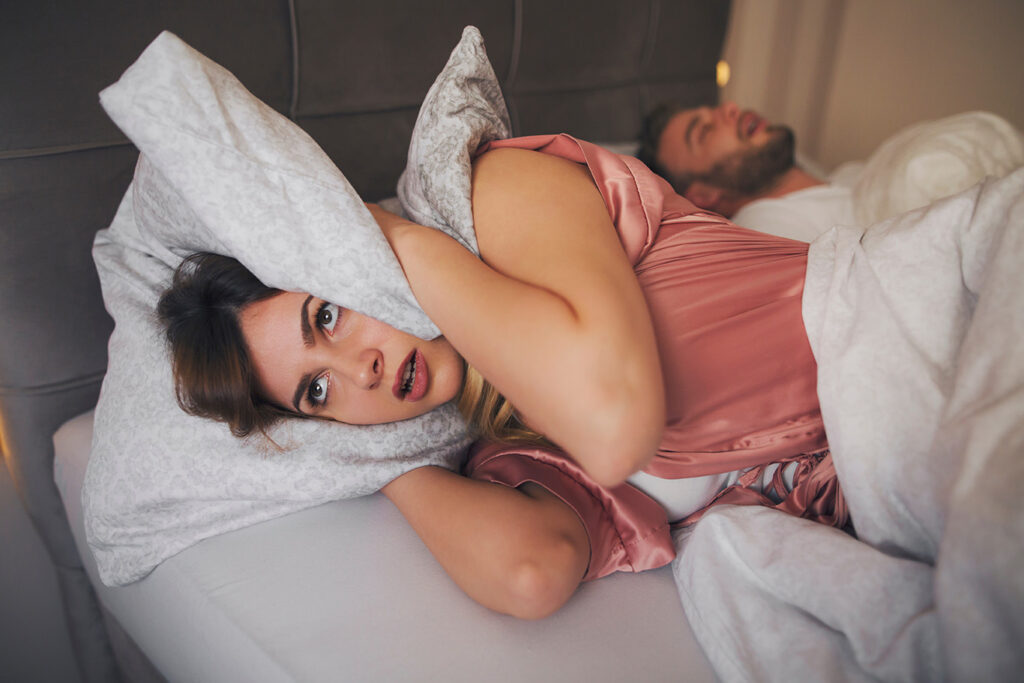
Snoring is common, but it is not always harmless. While occasional, quiet snoring rarely causes concern, loud or chronic snoring can signal a sleep disorder like obstructive sleep apnea. Untreated snoring can also disrupt your partner’s sleep, strain relationships, and lower your quality of life. Effective, comfortable treatments are available.

If your snoring comes with gasping, choking, or daytime exhaustion, it may be more than noise. A simple evaluation can sort it out.

Meet Dr. Eric Grin →
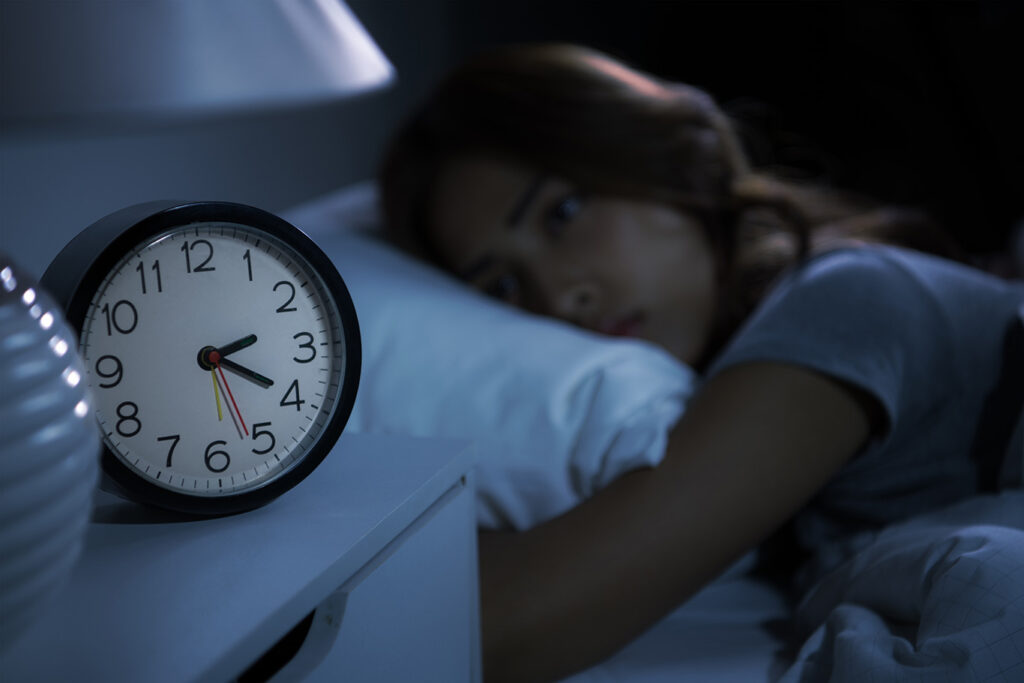
A woman lies awake in bed at night, looking at a clock on a bedside table showing the time as 2:15.
― Causes

What causes snoring.

Snoring happens when air flows past relaxed tissues in your throat during sleep. As air moves through the narrowed passage, the tissues vibrate and make the sound. Several things can make it worse:

Excess weight, especially around the neck

Sleeping on your back, letting the tongue fall backward
Alcohol or sedatives before bed, relaxing the throat muscles
Nasal congestion from allergies, a cold, or a deviated septum
The natural shape of your mouth, jaw, or throat
Age, as throat muscles lose tone over time
― Warning Signs

When snoring is a warning sign.

Not all snoring means sleep apnea. But certain patterns should be taken seriously.

See a specialist if your snoring includes

Pauses in breathing during sleep (usually noticed by a partner), choking or gasping or snorting sounds, excessive daytime sleepiness despite enough hours in bed, morning headaches, trouble concentrating, or waking with a dry mouth or sore throat. If any of these are present, a sleep study can determine whether obstructive sleep apnea is the cause.

― Why It Matters

The real impact of snoring.

People joke about snoring, but the effects on daily life can be real.

01

Health risks. Chronic snoring, especially when linked to sleep apnea, raises the risk of high blood pressure, heart disease, and stroke. Snoring with breathing pauses deprives your body of oxygen all night.

02

Relationship strain. Loud snoring is a major source of sleep disruption for partners. It is common for couples to end up in separate rooms.

03

Daytime fatigue. Even without full apnea episodes, the airway resistance can reduce sleep quality and leave you tired.

04

Safety. Drowsy driving from poor sleep puts you and others at risk on the road.

― Treatment

How we treat snoring.

At South Bay TMJ, the primary treatment for snoring is oral appliance therapy. A custom appliance fits over your teeth and gently moves your lower jaw forward, opening the airway and stopping the tissue vibration that causes snoring.
Primary

Custom Oral Appliance

Holds the lower jaw slightly forward to open the airway. Most patients and their partners notice a clear improvement.

 Learn About Oral Appliance→

Support

Simple Adjustments

Side-sleeping instead of back-sleeping, weight loss if relevant, avoiding alcohol and sedatives before bed, treating nasal congestion, and a regular sleep schedule.

Root Cause

Treating Sleep Apnea

If a sleep study shows apnea is causing your snoring, your plan addresses both. Treating the underlying apnea resolves the snoring too.

― FAQ

Common questions about Snoring.

Practical answers from our board-certified specialists. These questions come directly from patients we see at the clinic.

Is snoring dangerous?

Snoring itself is not always dangerous, but it can be a sign of obstructive sleep apnea, which is a serious medical condition. Even without sleep apnea, chronic loud snoring can disrupt sleep quality and affect your health over time. If your snoring is loud, frequent, or accompanied by gasping or daytime tiredness, you should be evaluated.

Can an oral appliance stop snoring?

Yes. Custom oral appliances are very effective at reducing or eliminating snoring. The appliance holds your lower jaw slightly forward, which opens the airway and prevents the vibration that causes snoring. Most patients and their partners notice a significant improvement.

How do I know if my snoring is caused by sleep apnea?

A sleep study is the only way to tell for certain. Signs that snoring may be related to sleep apnea include pauses in breathing, choking or gasping during sleep, excessive daytime sleepiness, and morning headaches. Our practice can help arrange a sleep study if needed.

Will losing weight stop my snoring?

Weight loss can reduce snoring for people whose snoring is related to excess weight around the neck and throat. However, snoring has many causes, and thin people can snore too. An evaluation can help determine what is contributing to your snoring and the best treatment approach.

Dr. Eric Grin
Medically Reviewed By

Board-Certified Orofacial Pain Specialist · Diplomate, American Board of Orofacial Pain · Assistant Professor, UCLA

Last Updated: April 24, 2026
― Schedule Your Consultation

Ready to Find Relief?

Schedule your evaluation with our board-certified orofacial pain specialists and start your path to lasting recovery.

We accept Medicare and most major insurance plans.

Subscribe to our newsletter

Sign up to receive updates, promotions, and sneak peaks of upcoming products. Plus 20% off your next order.

Promotion nulla vitae elit libero a pharetra augue