Diagnosis and treatment for sleep apnea, snoring, CPAP intolerance, and restless leg syndrome from board-certified specialists who also treat TMJ and orofacial pain.

4.9
⭐⭐⭐⭐⭐
Trusted by hundreds of Google reviewers

Dental Sleep Medicine Department
Sleep disorders like sleep apnea, snoring, and restless legs syndrome prevent your body from getting the rest it needs. Left untreated, they can lead to serious health problems. At South Bay TMJ, Sleep, Headache & Orofacial Pain Institute, our AASM-accredited Dental Sleep Medicine Department provides diagnosis and treatment for sleep-disordered breathing, including comfortable oral appliance alternatives to CPAP.




When a sleep disorder prevents you from getting quality rest night after night, the effects reach far beyond feeling tired. Ongoing sleep problems can affect nearly every area of your health and daily life.
Health risks linked to untreated sleep disorders include:

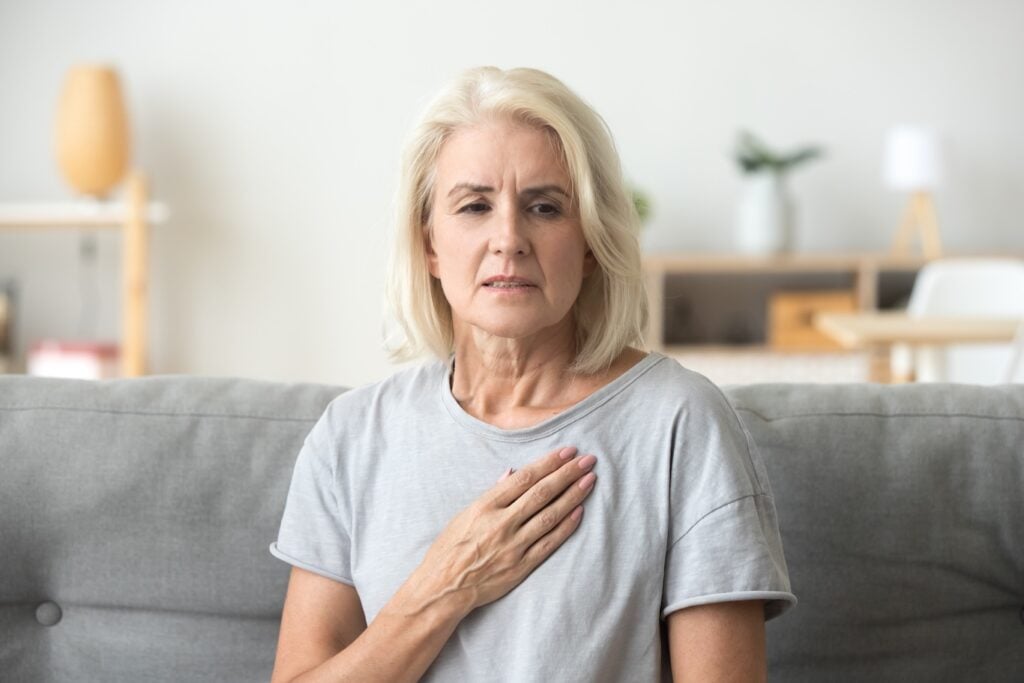
From obstructive sleep apnea to restless leg syndrome, our specialists diagnose and treat the full range of sleep-disordered breathing and related conditions.
Research shows that 36% to 72% of patients with TMJ disorders also meet the criteria for sleep disturbances. The relationship goes both ways:
TMJ pain disrupts sleep.
Shared risk factors.

Diagnosing a sleep disorder starts with a thorough evaluation of your symptoms, medical history, and sleep habits. Your doctor will ask about your sleep patterns, daytime energy levels, snoring, and any breathing problems you or your partner have noticed during the night.
Depending on your symptoms, diagnostic testing may include:
At our practice, Dr. Paul Grin works with your referring physician or sleep specialist to ensure your diagnosis is accurate and your treatment is coordinated. If you have not yet had a sleep study, we can help arrange one.
Our Dental Sleep Medicine Department is accredited by the American Academy of Sleep Medicine — the gold standard for evaluating the quality of sleep care. This accreditation means we meet strict standards for patient care, clinical protocols, and follow-up.
The American Academy of Sleep Medicine accredits our Dental Sleep Medicine Department to deliver evidence-based, board-reviewed sleep care. Fewer than 5% of dental practices nationwide hold this accreditation.
Our primary treatment for sleep-disordered breathing is oral appliance therapy. A custom oral appliance is a small device you wear in your mouth during sleep. It gently moves your lower jaw forward, keeping your airway open so you can breathe all night properly.
Every appliance is custom-made from molds of your teeth. After fitting, we perform a follow-up home sleep study to measure the actual improvement in your breathing and oxygen levels. This data-driven approach ensures your treatment is working.
The effects extend beyond the bedroom and into nearly every area of daily life.
Untreated sleep apnea raises the risk of high blood pressure, heart attack, stroke, and type 2 diabetes. Your body needs quality sleep to repair itself and regulate vital functions.
Note for parents: Untreated sleep disorders in children can affect growth, behavior, and school performance. Bed wetting can also be linked to sleep-disordered breathing in some cases. If your child snores loudly, gasps during sleep, or is unusually tired during the day, an evaluation is worth considering.
Common signs of a sleep disorder include loud snoring, gasping or choking during sleep, feeling tired during the day despite getting enough hours of sleep, difficulty falling or staying asleep, morning headaches, and trouble concentrating. If you or your partner notice any of these patterns, an evaluation by a sleep specialist can determine whether a sleep disorder is present.
Not always. Many people snore without having sleep apnea. However, loud, frequent snoring that includes pauses in breathing, choking, or gasping is a strong sign of sleep apnea and should be evaluated. A sleep study can tell the difference between simple snoring and sleep apnea.
Yes. While sleep apnea is more common in people who are overweight, it can affect anyone regardless of age, weight, gender, or fitness level. Thin, healthy, active people can develop sleep apnea too. Factors like jaw structure, airway anatomy, and genetics all play a role.
A home sleep study is a simple, painless test you do in your own bed. You wear a small portable device overnight that monitors your breathing, oxygen levels, heart rate, and body position. The results are reviewed by a sleep specialist to determine if you have sleep apnea and how severe it is.
Most medical insurance plans cover sleep studies and treatment for diagnosed sleep disorders, including oral appliance therapy. South Bay TMJ is in-network with most major insurance plans and accepts Medicare. Our team will verify your benefits before treatment begins.
View insurance and financing details →
Yes. Because sleep disorders and TMJ problems are often connected, treating both at the same time can produce better results. An oral appliance designed for your specific needs can address both sleep apnea and TMJ symptoms. Our specialists evaluate patients for both conditions during the initial assessment.
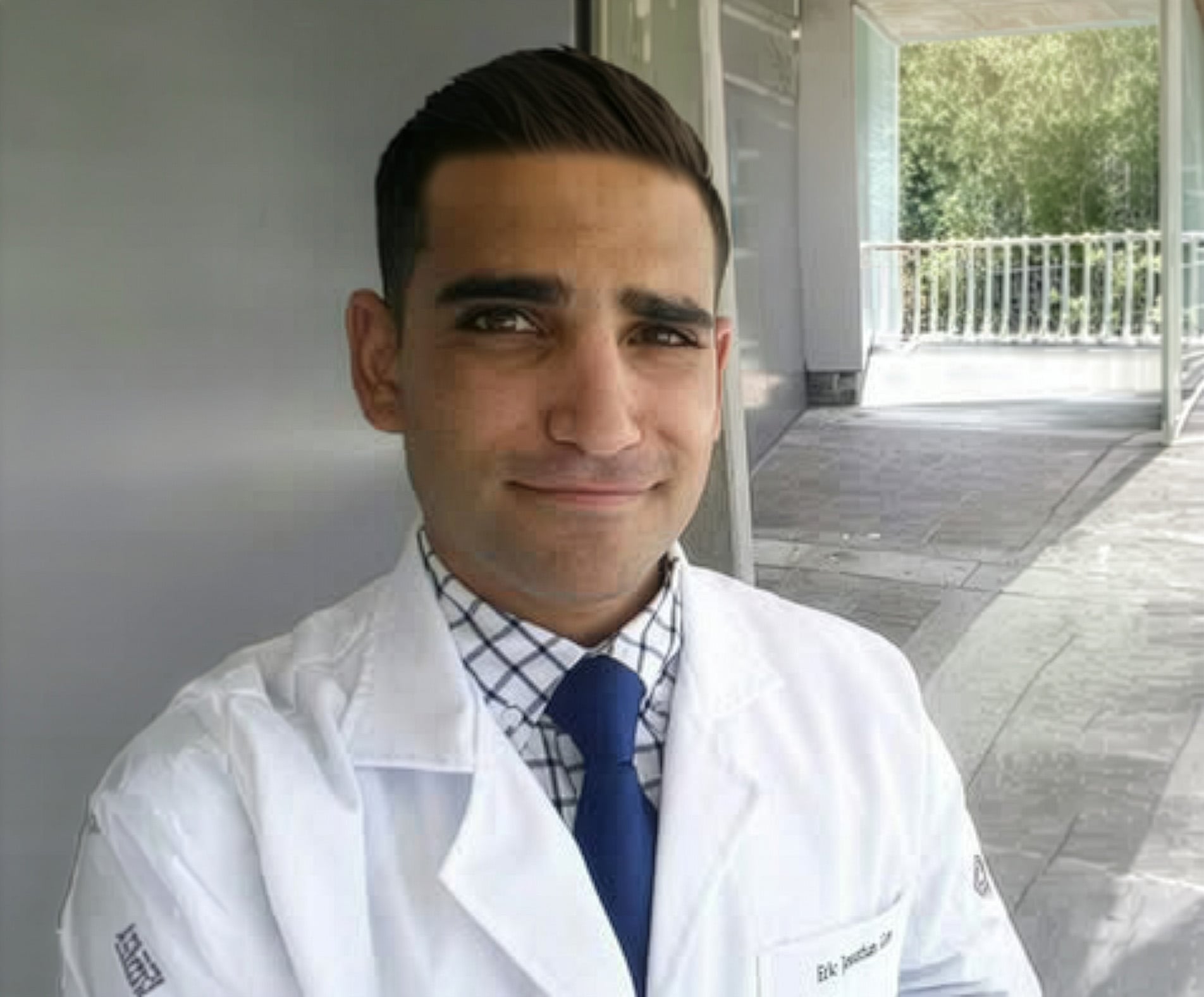
Board-Certified Orofacial Pain Specialist · Diplomate, American Board of Orofacial Pain · Assistant Professor, UCLA
Don’t let a sleep disorder control your life. Schedule an evaluation at our AASM-accredited sleep clinic.
We accept Medicare and most major insurance plans.