― Restless Leg Syndrome

Restless Leg Syndrome: Symptoms, Causes, and Treatment .

Board-Certified Specialists · Torrance, California · 32+ Years of Experience

RLS creates an uncomfortable urge to move your legs, worst in the evening and at night. It can make falling asleep hard and wreck your sleep quality. It often shows up alongside other sleep problems like sleep apnea.
South Bay TMJ
Sleep Disorders
A doctor takes notes on a clipboard while talking with a patient who is gesturing with his hands. sleep disorder consultation.

An urge to move that peaks at night.

Restless Leg Syndrome (RLS) is a sleep disorder that causes an uncomfortable urge to move your legs, especially in the evening and at night. That urge makes it hard to fall asleep and can significantly reduce sleep quality. RLS often occurs alongside other sleep conditions like obstructive sleep apnea.

At South Bay TMJ, Sleep, Headache & Orofacial Pain Institute, we evaluate patients for all types of sleep disorders, including RLS, and work with your healthcare team to ensure comprehensive treatment.

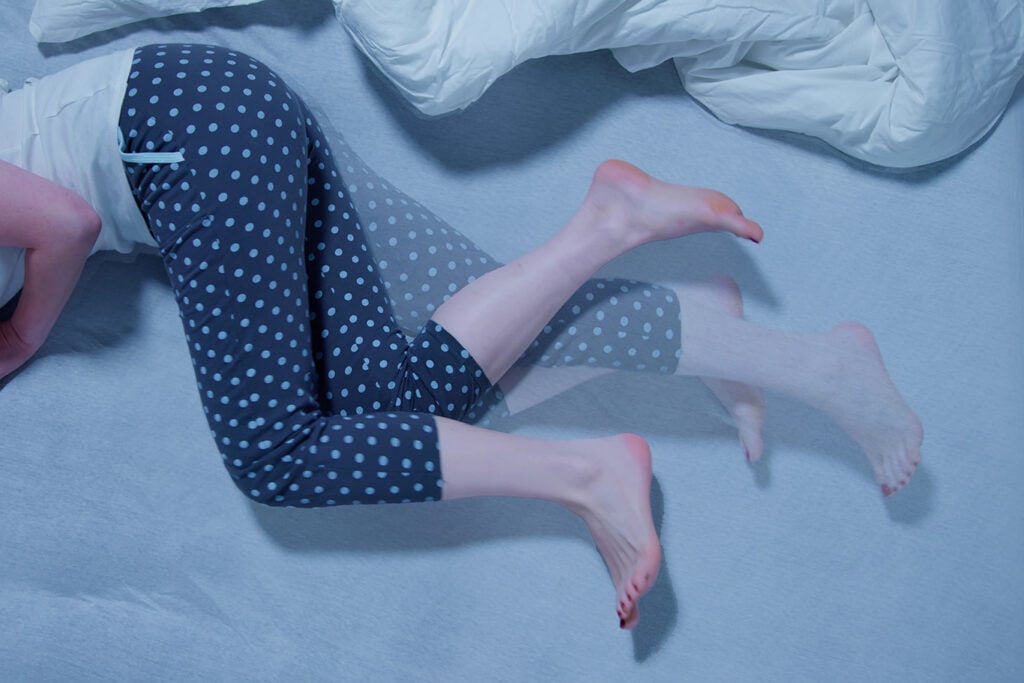
Person in polka dot leggings lying on a bed with a ghostly overlay showing leg movement, next to a white blanket. restless legs syndrome
― The Basics

What restless leg syndrome is.

RLS is a neurological condition that creates an irresistible urge to move your legs, usually with uncomfortable sensations people describe as crawling, tingling, pulling, itching, or throbbing deep in the legs. The symptoms follow a pattern:
01

Begin or worsen at rest, especially lying down or sitting.

02

Worse in the evening and at night.

03

Eased by movement, at least temporarily.

04

Not explained by another condition or behavior.

Because symptoms are worst when you are trying to sleep, RLS can make falling asleep very difficult, leading to sleep deprivation that affects energy, mood, concentration, and health.
― Causes

What causes RLS.

The exact cause is not fully understood, but research points to several factors.

01

Dopamine Imbalance

RLS is linked to how the brain uses dopamine, a chemical that helps control muscle movement. Dopamine naturally drops in the evening, which may explain why symptoms worsen at night.

02

Iron Deficiency

Low iron in the brain is linked to RLS. Even when blood iron looks normal, brain iron levels may be low.
03

Genetics & Other Conditions

RLS runs in families. It can also occur alongside kidney disease, diabetes, peripheral neuropathy, pregnancy, and certain medications.

RLS and sleep apnea.

RLS and obstructive sleep apnea can occur together. Both disrupt sleep quality, and having both at once can make sleep problems significantly worse. If you have been diagnosed with one, it is worth being evaluated for the other. At our practice, we screen for multiple sleep disorders during evaluations. If you have RLS alongside sleep apnea, treating both produces better results than treating either one alone.

― Treatment

Treatment for RLS.

Treatment focuses on relieving symptoms and improving sleep quality.

01

Iron supplementation. If iron is low, supplements may reduce or eliminate symptoms. A simple blood test checks your levels.

02

Medications. Dopamine-related drugs, anti-seizure medications, and certain muscle relaxants can help. Your doctor recommends the best option for you.

03

Lifestyle changes. Regular exercise, good sleep habits, avoiding caffeine and alcohol in the evening, and leg stretching before bed can all help.

04

Treating underlying conditions. If sleep apnea or iron deficiency is contributing, treating that often improves RLS too.

Our practice specializes in sleep apnea and TMJ disorders rather than primary RLS treatment. If RLS is identified during your evaluation, we work with neurologists and other specialists to coordinate your care.

― FAQ

Common questions about RLS.

How is RLS diagnosed?

RLS is diagnosed based on your symptoms and medical history. There is no single test for RLS, but your doctor may order blood tests to check iron levels and rule out other conditions. A sleep study may be recommended if sleep apnea is also suspected.

Can RLS be cured?

RLS is a chronic condition, but it can be managed effectively. Treating underlying causes like iron deficiency can greatly reduce symptoms. Lifestyle changes and medications can provide significant relief for most patients. Symptoms may change over time, so regular follow-up with your doctor helps adjust treatment as needed.

Can RLS occur with sleep apnea?

Yes. RLS and sleep apnea often occur together. Both conditions disrupt sleep quality and can worsen each other. If you have symptoms of both conditions, a comprehensive evaluation can identify both and help ensure your treatment plan addresses everything affecting your sleep.

Dr. Eric Grin
Medically Reviewed By

Board-Certified Orofacial Pain Specialist · Diplomate, American Board of Orofacial Pain · Assistant Professor, UCLA

Last Updated: April 24, 2026
― Schedule Your Consultation

Ready to Find Relief?

Schedule your evaluation with our board-certified orofacial pain specialists and start your path to lasting recovery.

We accept Medicare and most major insurance plans.