
TMJ: The Joint.
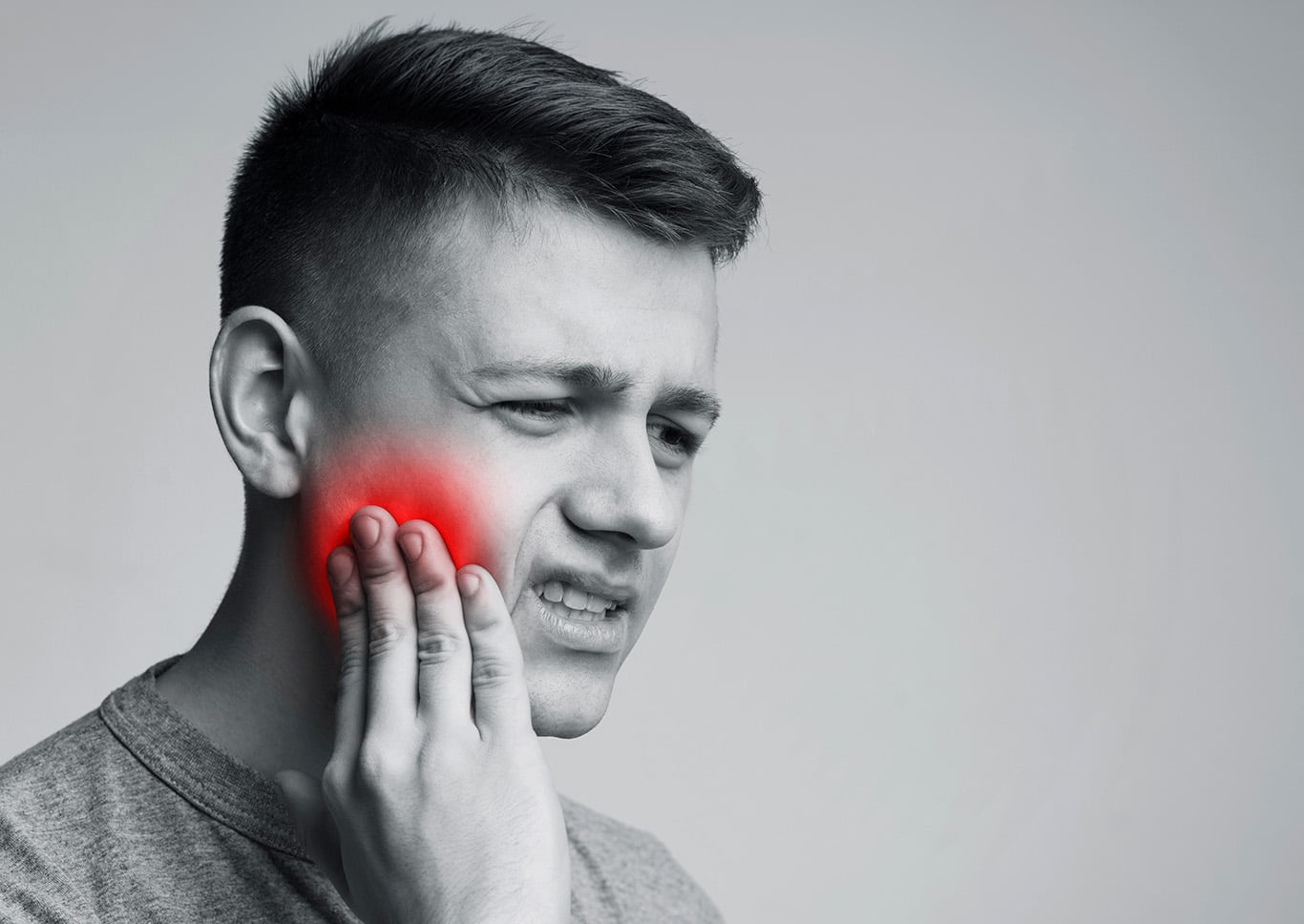
TMJ stands for temporomandibular joint. It is the joint itself, not a disease or disorder. Everyone has two TMJs, one on each side of the head, right in front of the ears. These joints connect your lower jaw (mandible) to your skull (temporal bone).
Your TMJ is a sliding hinge joint. A small disc of cartilage sits between the two bones. Muscles, ligaments, and tendons surround the joint and control its movement. You use your TMJ every time you open your mouth, chew, talk, or yawn.
TMD: The Disorder.
TMD stands for temporomandibular disorder (sometimes written as temporomandibular disorders, since there are multiple types). TMD refers to the medical conditions that affect the TMJ and the muscles that control jaw movement.
When people say “I have TMJ,” they usually mean “I have TMD,” meaning something is wrong with their jaw joint or muscles. Saying you have TMJ is like saying you have knee when you mean you have a knee injury. The joint itself is not the problem. The disorder affecting the joint is the problem.
Why the Distinction Matters.
Myogenous TMD (Muscle-Related)
Arthrogenous TMD (Joint-Related)

The Diagnostic Standard: DC/TMD.
The international standard for diagnosing TMD is called the Diagnostic Criteria for Temporomandibular Disorders (DC/TMD). This system gives doctors a clear framework for identifying which type of TMD a patient has. It separates muscle-related problems from joint-related problems and provides specific criteria for each.
At South Bay TMJ, Sleep, Headache & Orofacial Pain Institute, our board-certified specialists follow the DC/TMD framework. This ensures your diagnosis is accurate and your treatment targets the actual source of your pain.
What You Can Do.
If you think you have a TMJ disorder, the most important step is getting an accurate diagnosis from a specialist who understands all the different types of TMD. A thorough evaluation can determine whether your pain is coming from the muscles, the joint, or both, and guide a treatment plan that addresses the real cause.
Do not settle for a generic diagnosis of “TMJ.” Ask your provider what type of TMD you have and what is driving it. That specificity makes all the difference in treatment outcomes. Learn what to expect as a new patient →
Frequently asked questions.
Straightforward answers to the questions patients ask most about TMJ disorders and when to seek specialist care.
No. TMJ refers to the temporomandibular joint itself. TMD refers to temporomandibular disorders, the medical conditions that affect the joint and surrounding muscles. Everyone has a TMJ. Not everyone has TMD.
Yes. TMD is divided into two main categories: myogenous TMD (muscle-related pain) and arthrogenous TMD (joint-related pain). Many patients have a combination of both types. Accurate classification guides effective treatment.