― TMJ & Orofacial Pain

TMJ & Orofacial Pain in Torrance, CA

Board-Certified Specialists · Torrance, California · 32+ Years of Experience

TMJ and orofacial pain refer to pain in the jaw joints, face, head, or neck. These conditions affect millions of people in the United States each year and can make it hard to eat, sleep, or get through your day. Our board-certified specialists find the cause of your pain and create a treatment plan that works for you.

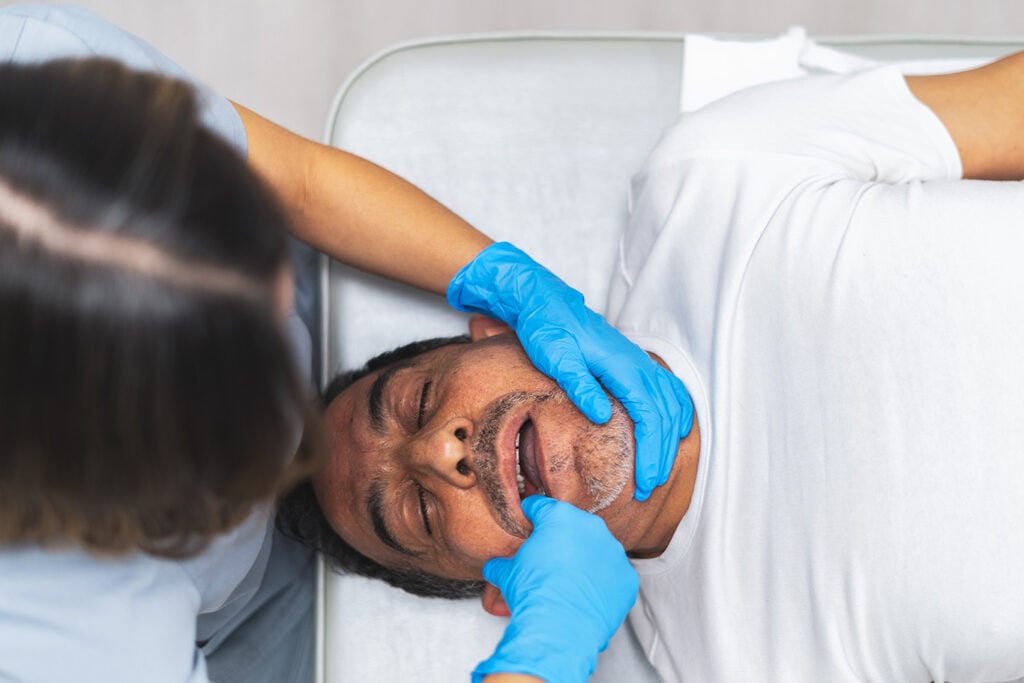
TMJ orofacial pain exam with a healthcare worker checking a patient’s mouth
AASM-Accredited
Dr. Eric Grin, DDS, MPH
Board-Certified Orofacial Pain Specialist · UCLA Faculty
― Understanding the condition

What TMJ and orofacial pain are — and why they can be so hard to diagnose.

What is TMJ & orofacial pain?

The temporomandibular joints (TMJ) are the two joints on each side of your head, right in front of your ears. They connect your lower jaw to your skull. These joints let your mouth open and close. You use them every time you eat, talk, yawn, or swallow.

Orofacial pain is a broad term for any pain in the mouth, jaw, face, or nearby areas. This pain can come from many sources — the jaw joints, the muscles that move the jaw, the nerves in the face, or other parts of the head and neck.

When something goes wrong with the TMJ or the muscles and nerves around it, the result is often pain that spreads to other parts of the head and neck. Doctors call these problems temporomandibular disorders, or TMD for short. Despite how common TMD is, it falls outside the scope of most medical specialties, which is why patients often spend years looking for the right diagnosis.
14%

Of the U.S. population has dealt with a chronic orofacial pain disorder in the past year — nearly 44 million people. Most spend an average of 4.2 years and see 5.3 providers before finding the right specialist.

Source: American Academy of Orofacial Pain

― What We Treat

Six conditions. One specialty.

Select any condition to learn about diagnosis and treatment options.
01 · Most common

TMJ Disorders (TMD)

Problems with the jaw joints or the muscles that control jaw movement. Two main types: myogenous (muscle-related) and arthrogenous (joint-related). Many patients have both.


Learn About TMJ Disorders

02 · The hidden link

Headaches & Migraines

Many headaches and migraines are connected to TMJ problems. Tight jaw muscles can trigger tension headaches and worsen migraines.

03 · The sharpest pain

Nerve Pain & Trigeminal Neuralgia

Many headaches and migraines are connected to TMJ problems. Tight jaw muscles can trigger tension headaches and worsen migraines.

04 · The trigger point

Myofascial Pain

Muscle pain in the face and jaw is caused by trigger points of localized tenderness. Affects over 44 million Americans.

05 · The unconscious habit

Bruxism & Teeth Grinding

Clenching or grinding teeth, often during sleep. Wears down teeth and puts significant strain on the jaw joints and muscles.

06 · The complex case

TMJ in Ehlers-Danlos Syndrome

Connective tissue disorders that cause joint hypermobility and jaw instability. Requires conservative, specialized care.
― The challenge ―

5.3 doctors. 4.2 years.

That’s how long the average TMJ patient spends searching for the right diagnosis. We help patients find answers faster — starting at their very first visit.

― Common symptoms

Symptoms can show up in many ways.

You may have one or several of these symptoms. Some people have pain that comes and goes. Others deal with constant discomfort. If you have any of these symptoms for more than a couple of weeks, it’s worth seeing a specialist.

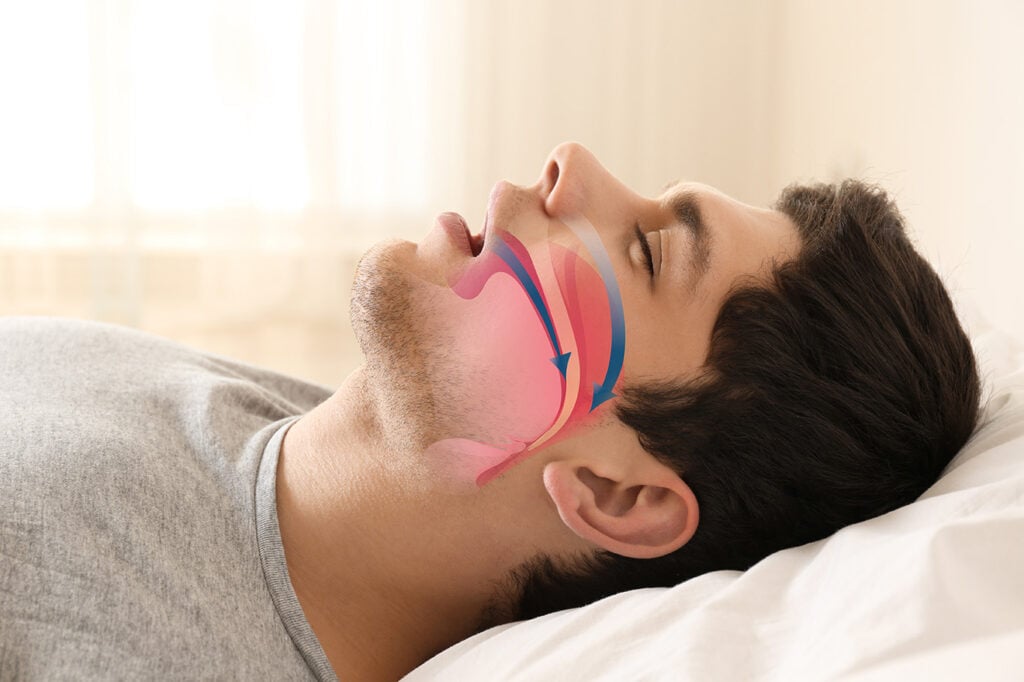
Sleep apnea page for South Bay TMJ showing sleep disorder treatment information

Jaw pain or soreness, especially in the morning

Headaches in the temples or back of the head
Clicking, popping, or grinding sounds when you open your mouth
Ear pain, fullness, or ringing (tinnitus)
Trouble opening your mouth all the way
Neck and shoulder pain or stiffness
Pain when you chew, bite, or yawn
Facial pain or tenderness around the jaw muscles
Sensitive teeth when no dental problem is found
A change in how your upper and lower teeth fit together

― Diagnosis & treatment

How do we find the cause?
How we treat it.

Diagnosis

Your first visit takes 45 to 60 minutes. We never rush. During the visit, your doctor will walk through a systematic evaluation to identify the source of your pain.

01

Full medical and pain history review

02

Postural and cranial assessment

03

Physical examination of the jaw, face, and neck

04

Bite analysis and occlusion assessment

05

Full medical and pain history reviewed Neurological evaluation as indicated

06

Imaging: CT scan, MRI, or X-ray when needed. Neurosensory testing, joint vibration analysis, and EMG also available on-site.

Treatment

Treatment depends on what is causing your symptoms. We always start with the least invasive options and only escalate when needed.

01

Oral Appliance Therapy — custom-fit devices to reduce grinding and stabilize the jaw

02

Medications — NSAIDs, muscle relaxants, antiepileptics, and low-dose antidepressants as appropriate

03

Physical therapy, posture correction, and jaw exercises

04

Botox for TMJ — reduces muscle overactivity and clenching

05

Trigger Point Injections — directly addresses myofascial pain sources

06

Regenerative TherapiesPRP, prolotherapy, and exosome therapy for complex or treatment-resistant cases.

07
Nerve Blocks — diagnostic and therapeutic injections for nerve-related facial pain

― When to act

You should see an orofacial pain specialist if…

01

Jaw pain, headaches, or facial pain have not gone away on their own after a few weeks

02

Your jaw locks, clicks, or pops on a regular basis

03

You have been treated by other doctors without lasting relief

04

You grind your teeth and wake up with jaw soreness or headaches

05

You have ear pain or ringing, but your ears have been checked and are healthy

06

You have Ehlers-Danlos Syndrome and jaw or facial pain

5.3

Doctors. That’s how many providers the average patient sees before getting a proper TMJ diagnosis, according to the American Academy of Orofacial Pain.

An orofacial pain specialist has the specific training to identify and treat these conditions starting from your very first visit. You don’t need to wait that long.

― Our approach

Why patients choose us for TMJ care.

Conservative, thorough, and specific to your diagnosis — not a protocol applied to everyone.

Board-Certified Specialists

Both Dr. Paul Grin and Dr. Eric Grin are Diplomates of the American Board of Orofacial Pain. Fewer than 500 doctors hold this credential worldwide.

45 to 60 Minute Evaluation

We never double-book. Your doctor takes the time needed for accurate diagnosis before recommending any treatment. Your appointment slot is yours alone.

Conservative First

Non-invasive, reversible treatments before anything else. We work with physical therapists, psychologists, and neurologists as needed. Surgery is considered only as a last resort.
― FAQ

Common questions about TMJ & orofacial pain.

Practical answers from our board-certified specialists. These questions come directly from patients we see at the clinic.

TMJ stands for temporomandibular joint — the two joints that connect your jaw to your skull. TMD stands for temporomandibular disorder, which is the medical term for problems that affect those joints, the surrounding muscles, or related nerves. Saying “I have TMJ” is a common shorthand, but technically, everyone has a TMJ. What most people mean is that they have TMD — a painful or dysfunctional condition involving the jaw joint system.

Mild cases sometimes improve with rest, soft foods, and stress reduction. However, many TMD conditions do not resolve without treatment. Joint disc displacement, nerve-related pain, and muscle trigger points rarely correct themselves. If your symptoms have lasted more than a few weeks or are getting worse, see a specialist. Waiting often leads to more complex problems that are harder to treat.

The most common causes include teeth grinding or clenching, also called bruxism, jaw trauma or injury, arthritis in the joint, disc displacement, muscle tension from stress, and poor bite alignment. In some patients, TMD is related to a connective tissue disorder like Ehlers-Danlos Syndrome. Often, more than one cause is involved, which is why accurate diagnosis matters before treatment begins.

Coverage varies significantly by plan and by the type of treatment. Medical insurance, including Medicare, often covers evaluation and some treatments when TMD is diagnosed as a medical condition. Dental insurance may cover oral appliances. Our team reviews your specific benefits before your first visit so you know what to expect.

Your first visit typically takes 60 to 90 minutes. We review your medical history in detail, perform a physical examination of your jaw, face, neck, and bite, and may recommend imaging such as a CT scan or MRI when appropriate. We take time to explain our findings and recommendations before treatment begins. We see one patient at a time and do not double-book appointments.

Not always, but it depends on your insurance. Many patients are self-referred and pay out of pocket or submit for reimbursement. Some insurance plans require a referral from a primary care physician. If you are unsure, call our office and we can help determine what your plan requires before scheduling.

Most first-line TMJ treatments are non-invasive and cause little to no discomfort. Oral appliances, physical therapy, and medication management are generally well tolerated. Injection-based treatments like trigger point injections or PRP therapy involve a brief needle procedure. We explain each treatment fully before proceeding and use techniques designed to minimize discomfort.

Dr. Eric Grin
Medically Reviewed By

Board-Certified Orofacial Pain Specialist · Diplomate, American Board of Orofacial Pain · Assistant Professor, UCLA

Last Updated: April 24, 2026
― Schedule Your Consultation

Ready to Find Relief?

Schedule your evaluation with our board-certified orofacial pain specialists and start your path to lasting recovery.

We accept Medicare and most major insurance plans.