― Emerging Regenerative Treatment

Exosome and Stem Cell Therapy for TMJ and Chronic Pain.

Board-Certified Specialists · Torrance, California · 32+ Years of Experience

Exosomes are tiny messengers that cells release to carry healing signals to damaged tissue. As an emerging regenerative treatment, exosome therapy aims to lower inflammation and support repair, an option for difficult-to-treat TMJ and chronic orofacial pain.
Advanced Regenerative Care
Exosome Therapy. explaining TMJ, jaw pain, and chronic orofacial pain care Oral appliance therapy page explaining TMJ, jaw pain, and sleep-related treatment

Tiny messengers that carry healing signals.

Exosome therapy is an advanced regenerative treatment for TMJ disorders and chronic orofacial pain. Exosomes are tiny messengers released by cells that carry healing signals to damaged tissue. They help reduce inflammation, support tissue repair, and promote recovery. This therapy is aimed at patients with difficult-to-treat conditions who are looking for options beyond conventional methods.

At South Bay TMJ, Sleep, Headache & Orofacial Pain Institute, our board-certified orofacial pain specialists offer exosome therapy as part of a comprehensive approach to chronic pain of the head, face, jaw, and neck.

Exosome therapy is an emerging treatment, not a guaranteed cure. The right first step is an honest evaluation of whether it fits your specific condition.

Meet Dr. Eric Grin →
― The Science

What are exosomes?

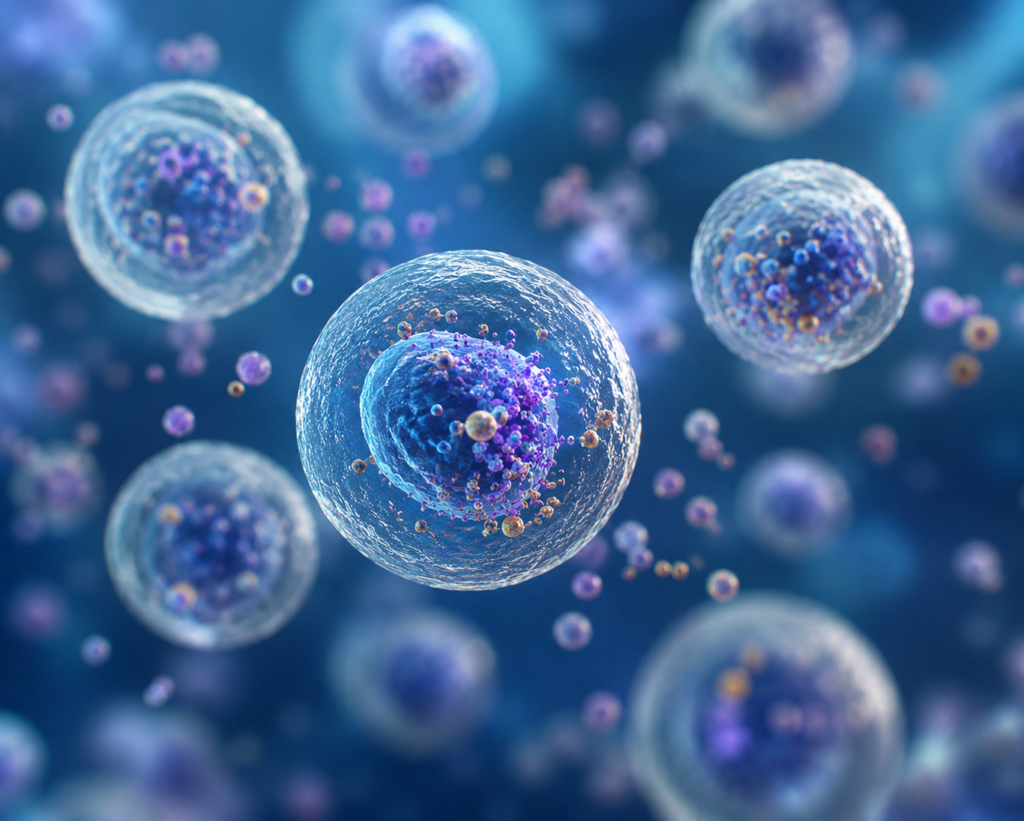
Nearly every cell in your body releases tiny structures called exosomes. They are extremely small, only about 30 to 150 nanometers, far too small to see. Despite their size, they play a big role in how your cells communicate.

Each exosome carries a package of proteins, lipids, and genetic material from the cell that released it. When it reaches another cell, it delivers those contents, which can influence how that cell behaves. This cell-to-cell communication helps regulate inflammation, coordinate immune responses, and promote tissue repair.

In regenerative medicine, exosomes are typically collected from mesenchymal signaling cells (MSCs), which carry especially strong healing signals. Delivered through therapy, they aim to help your body’s own repair processes work more effectively.
3D illustration of multiple human cells with visible nuclei and organelles floating in a blue environment.
― Two Delivery Methods

Two ways we deliver exosome therapy.

The method depends on your condition and goals.

Method 1: Targeted TMJ Injection

Used when the main concern is the jaw joint itself, such as TMJ pain, clicking, locking, or inflammation.

In some cases this can be combined with PRP from your own blood for a stronger regenerative effect.

Method 2: IV Infusion for Chronic Pain

Used for widespread or long-lasting pain, such as chronic headaches, migraines, nerve-related pain, or inflammation affecting the head, face, and neck.
― Candidacy

Who May Benefit from Exosome Therapy.

Exosome therapy is an area of active research and clinical development. A few important points:
― Why South Bay TMJ

Why patients choose our practice.

When considering an advanced therapy, the expertise of your provider matters.
01

Specialized Focus

When considering an advanced therapy, the expertise of your provider matters.

02

Evidence-Based Approach

We integrate new therapies only when the evidence supports their use, and we stay current with the latest research through our work at UCLA.
03

Experience with Complex Cases

We focus on helping patients who have not found relief elsewhere. Many have seen multiple providers before coming to us.

Personalized care. Your plan is built around a thorough diagnosis and an understanding of your specific condition. We do not offer one-size-fits-all solutions.

― FAQ

Common questions about exosome therapy.

Practical answers from our board-certified specialists. These questions come directly from patients we see at the clinic.

What is the difference between exosome therapy and stem cell therapy?

Traditional stem cell therapy involves injecting whole stem cells into the body. Exosome therapy uses the tiny messengers, called exosomes, that stem cells release. These exosomes carry the healing signals without the cells themselves. Exosome therapy is considered a more targeted approach because it delivers the specific biological messages that promote healing.

Is exosome therapy safe?

Exosome therapy has a favorable safety profile based on current clinical experience. The most common side effects are mild and temporary, such as soreness at the injection site or mild fatigue after IV infusion. As with any medical treatment, your doctor will review your health history and discuss potential risks before recommending this therapy.

How many exosome treatments will I need?

The number of treatments depends on your condition and how you respond. Some patients benefit from a single session. Others may need a series of treatments. Your doctor will create a plan based on your evaluation and adjust it based on your progress.

Can exosome therapy be combined with other treatments?

Yes. Exosome therapy can be used alongside other treatments offered at our practice, including PRP therapy, oral appliances, and medications. In some cases, combining exosomes with PRP can provide a stronger regenerative effect. Your doctor will recommend the best combination based on your needs.

Is exosome therapy covered by insurance?

Most insurance plans do not currently cover exosome therapy because it is considered an emerging treatment. Our team will discuss costs with you upfront and can provide information about payment options and financing.

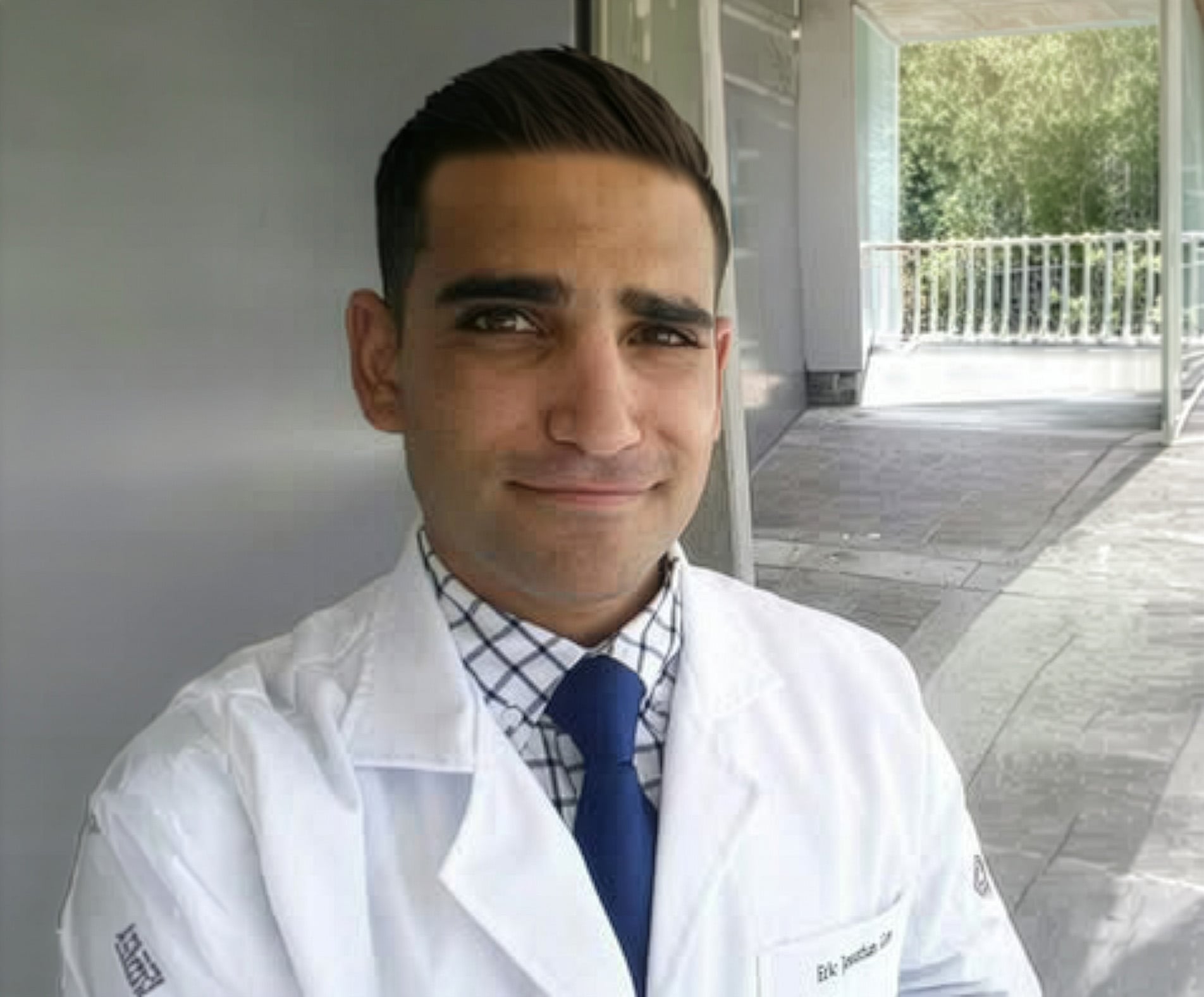
Dr. Eric Grin
Medically Reviewed By

Board-Certified Orofacial Pain Specialist · Diplomate, American Board of Orofacial Pain · Assistant Professor, UCLA

Last Updated: April 24, 2026
― Schedule Your Consultation

Ready to Find Relief?

Schedule your evaluation with our board-certified orofacial pain specialists and start your path to lasting recovery.

We accept Medicare and most major insurance plans.