― Bruxism & Teeth Grinding

Bruxism & Teeth Grinding: Causes, Signs, and Treatment.

Board-Certified Specialists · Torrance, California · 32+ Years of Experience

Grinding and clenching often happen in your sleep, so you may not know you do it. Over time it wears down teeth and strains the jaw. The good news: it is treatable, and the right plan protects your teeth and eases the pain.
Specialty Orofacial Pain Care
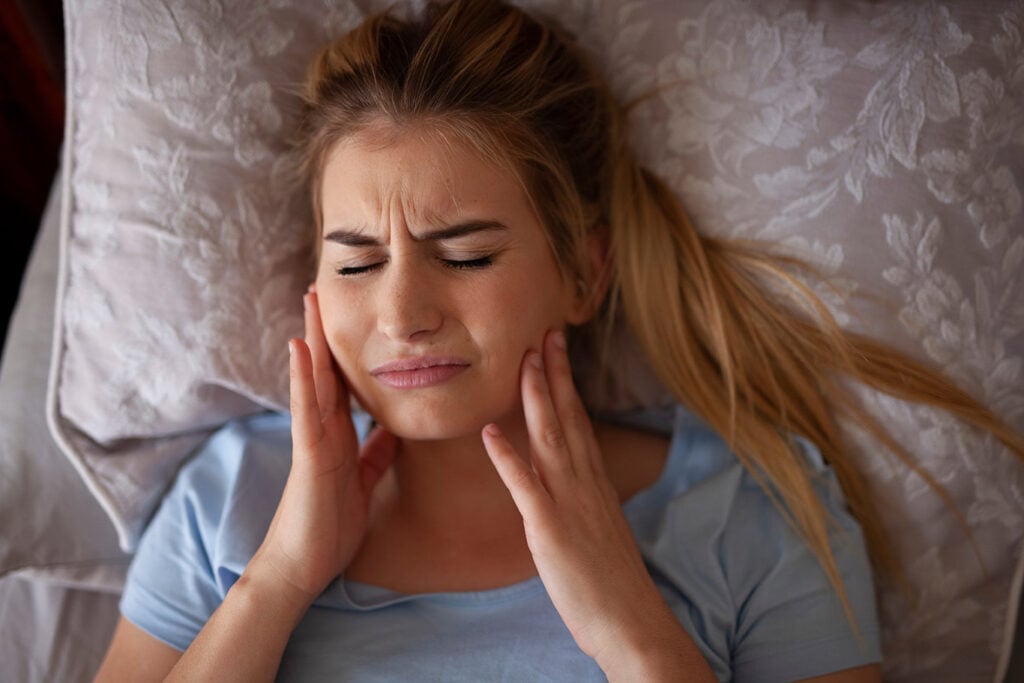
Bruxism teeth grinding symptoms shown by a woman touching her cheeks in discomfort

The damage often happens while you sleep.

Bruxism is the medical term for grinding, clenching, or gnashing your teeth. It often happens during sleep, which means many people do it without knowing. Over time, bruxism can wear down your teeth, strain your jaw muscles, and lead to TMJ disorders, headaches, and chronic facial pain. Treatment from an orofacial pain specialist can protect your teeth and relieve the pain bruxism causes.

Most people learn they grind from a worn-down tooth, a partner who hears it, or a morning headache that will not quit. A short exam can confirm it and show what damage is already done.

Meet Dr. Eric Grin →
― The Basics

What is Bruxism?

Bruxism is a condition where you grind your teeth or clench your jaw with force. There are two types:

01

Sleep bruxism. Grinding or clenching while you sleep. This is the more common and more damaging type, because you cannot control it.

02

Awake bruxism. Clenching during the day, often from stress, concentration, or habit. People with awake bruxism usually clench rather than grind.

Sleep bruxism is classified as a sleep-related movement disorder. People who grind their teeth during sleep are also more likely to have other sleep problems, such as snoring and sleep apnea.

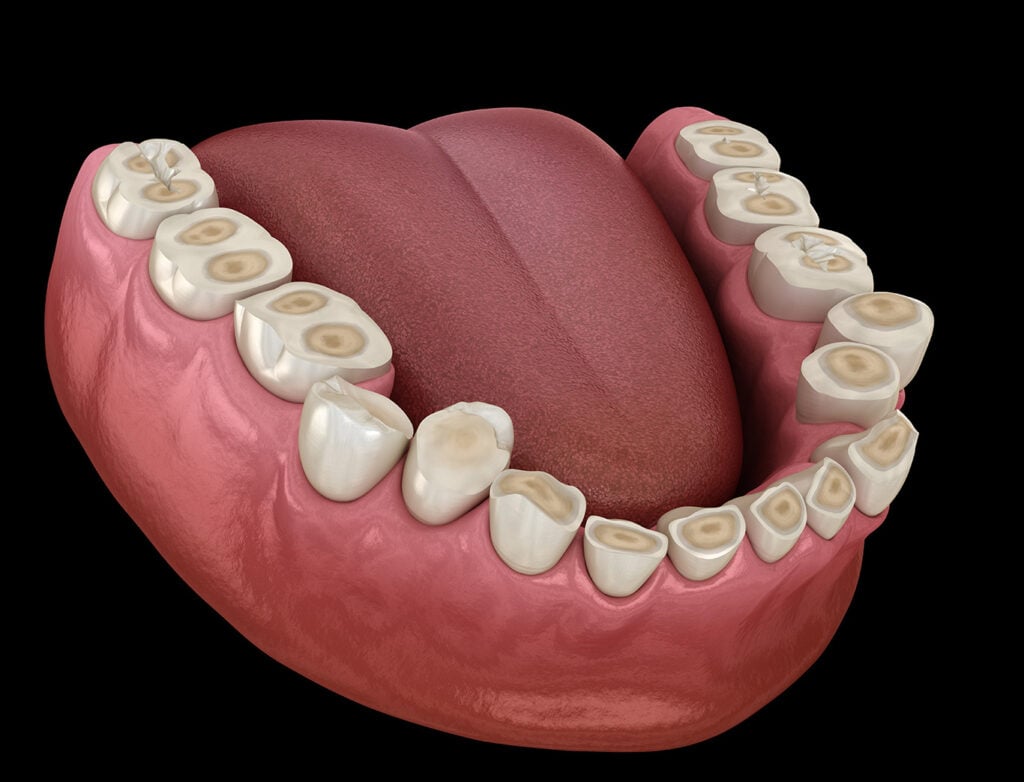
3D illustration of a lower jaw with severe tooth wear and damage, exposing dentin on multiple teeth, and the tongue visible in the background.
― Self-Check

Signs you may be grinding your teeth.

Because sleep bruxism happens while you are unconscious, many people do not know they grind. This list is not a diagnosis, but it can help you spot the pattern.

If you notice several of these, bruxism may be the cause. A thorough evaluation can confirm the diagnosis and identify any damage that has already occurred.

― Causes

What drives teeth grinding.

Bruxism rarely has a single cause. It usually comes from a mix of factors.
01

Stress and Anxiety

The most commonly reported trigger. When you are under pressure, your body tenses up, and that tension often shows up in the jaw, leading to daytime clenching and nighttime grinding.
02

Sleep Disorders

There is a strong connection between sleep bruxism and obstructive sleep apnea. When the airway is partly blocked, the brain may trigger jaw clenching as part of reopening it. Treating the sleep disorder often reduces grinding.

03

Bite and Jaw Alignment

When upper and lower teeth do not line up well, the jaw muscles work overtime to find a comfortable position. That extra effort can lead to grinding and clenching.

Other contributing factors: certain medications (including some antidepressants), caffeine and alcohol close to bedtime, smoking, and a family history of bruxism.

― Why It Matters

How bruxism affects your health.

It can seem harmless at first, but the long-term effects can be serious.
01

Tooth damage. Grinding wears down chewing surfaces and, over time, can cause cracks, chips, and fractures that need dental repair.

02

TMJ disorders. Constant pressure can damage the disc inside the TMJ, strain the ligaments, and lead to chronic jaw pain.

03

Headaches. Jaw-muscle tension often causes headaches, especially in the temples, sometimes mistaken for tension headaches or migraines

04

Tooth sensitivity. As enamel wears down, the softer dentin underneath is exposed, making teeth sensitive to temperature and pressure.

05

Facial pain. Overworked jaw muscles can cause aching, soreness, and stiffness in the face and jaw.

― Diagnosis

How bruxism is diagnosed.

Your orofacial pain specialist can diagnose bruxism through a clinical exam. During your evaluation, your doctor will:

01

Examine your teeth for signs of wear, chips, or cracks.

02

Check your jaw muscles for tenderness, tightness, and trigger points.

03

Evaluate your TMJ for clicking, popping, or limited movement.

04

Review your history, including medications and sleep habits, and assess your bite alignment.

If your doctor suspects a sleep disorder like sleep apnea is contributing, a sleep study may be recommended. Here is what to expect at your first visit.

― Treatment

Treatments that protect your teeth and jaw.

Treatment focuses on protecting your teeth, relaxing the jaw muscles, and addressing the root cause of the grinding.
Most Common · Custom

Custom Oral Appliance

A custom night guard or splint is the most common treatment for sleep bruxism. Made from molds of your teeth, it fits precisely, stays in place, and spreads the force of clenching evenly to protect your teeth and joints.

In-Office

Botox for Jaw Clenching

Botox injections into the jaw muscles reduce the force of clenching. This is especially helpful when bruxism causes significant jaw pain or headaches. The procedure takes a few minutes and results last three to four months.

Behavioral

Stress Management

Because stress is a major driver, your plan may include relaxation exercises, biofeedback, and awareness techniques to help you stop clenching during the day. Good sleep habits can reduce nighttime grinding.

Root Cause

Treating the Underlying Cause

If a sleep disorder is contributing, treating it often reduces the grinding. If bite misalignment is a factor, your doctor may recommend adjustments to improve how your teeth fit together.

― FAQ

Common questions about Bruxism.

Practical answers from our board-certified specialists. These questions come directly from patients we see at the clinic.

How do I know if I grind my teeth at night?

Common signs of nighttime teeth grinding include waking up with a sore jaw, temple headaches, worn or flattened teeth, and tooth sensitivity. A partner may hear the grinding sounds while you sleep. If you notice these signs, schedule an evaluation with an orofacial pain specialist who can check for wear patterns and muscle tension.

Can a store-bought night guard help with bruxism?

Store-bought night guards offer some tooth protection but are not a substitute for a custom oral appliance. Over-the-counter guards do not fit precisely, can shift during sleep, and may worsen jaw alignment problems. A custom appliance made by an orofacial pain specialist is designed to fit your mouth exactly and address the underlying cause of your grinding.

Is Bruxism connected to sleep apnea?

Yes. Research has found a strong link between sleep bruxism and obstructive sleep apnea. During sleep apnea episodes, the brain may trigger jaw clenching to help reopen a blocked airway. Many patients with both conditions find that treating the sleep apnea also reduces their teeth grinding.

Can children have Bruxism?

Yes. Bruxism is common in children, especially during the years when baby teeth and permanent teeth are coming in. Most children outgrow it. However, if your child complains of jaw pain or headaches, or if their teeth show signs of wear, it is worth having them evaluated.

Does Botox really work for teeth grinding?

Botox can be effective for bruxism, particularly when jaw clenching causes significant pain or headaches. Botox works by relaxing the overactive jaw muscles that drive grinding. Results typically last three to four months. Your orofacial pain specialist can determine if Botox is a good option based on your specific condition.

Dr. Eric Grin
Medically Reviewed By

Board-Certified Orofacial Pain Specialist · Diplomate, American Board of Orofacial Pain · Assistant Professor, UCLA

Last Updated: April 24, 2026
― Schedule Your Consultation

Ready to Find Relief?

Schedule your evaluation with our board-certified orofacial pain specialists and start your path to lasting recovery.

We accept Medicare and most major insurance plans.