
Most new patients have spent years searching for answers. We don’t rush the first appointment. You’ll have 45 to 60 minutes of one-on-one time with a board-certified orofacial pain specialist who will listen, examine, and explain.
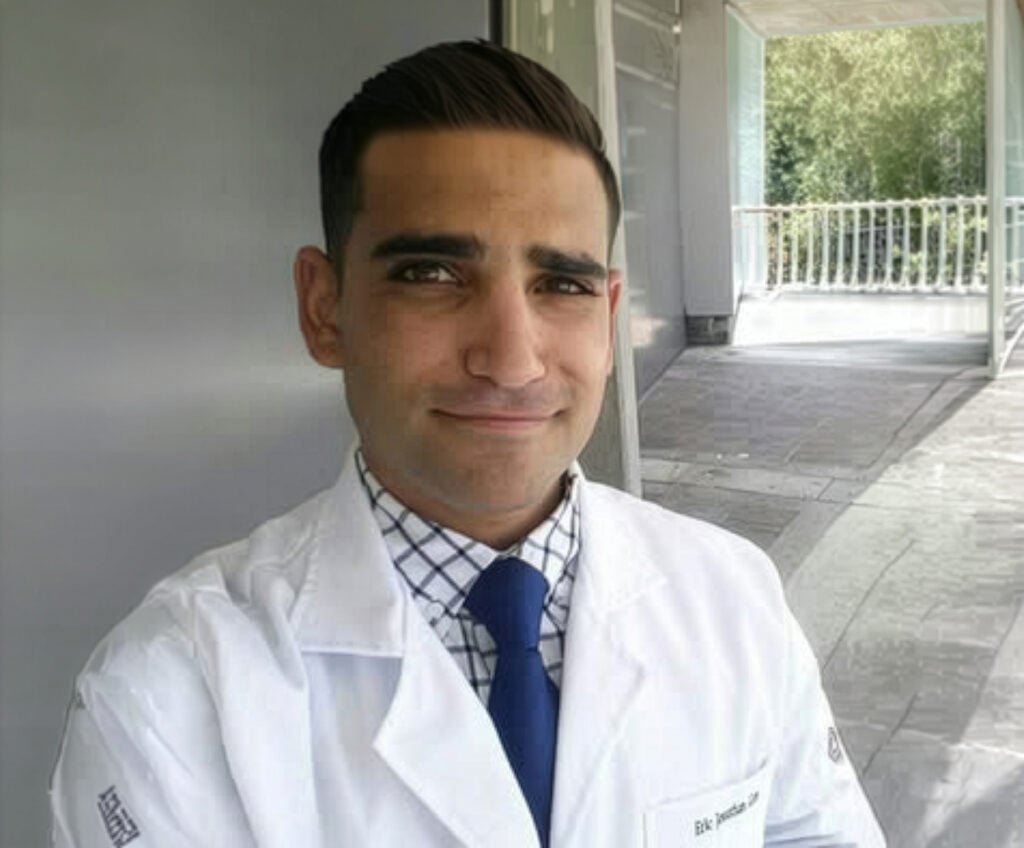
Board-Certified Orofacial Pain Specialist · UCLA Faculty
Your first appointment at South Bay TMJ is a comprehensive evaluation, not a quick screening. Your specialist will review your medical and dental history, examine your jaw, head, neck, and bite, review any imaging you bring, and explain what’s likely causing your symptoms. You’ll leave with a clear understanding of your condition and a recommended next step.
Orofacial pain conditions are complex. A good evaluation takes time. Here is how we use yours.
We start by listening. Your specialist will ask about your symptoms, when they began, what makes them better or worse, and how they affect your daily life. We’ll review your full medical history, current medications, prior treatments, and any imaging or reports you bring.
This part is unhurried for a reason. Patterns in your story often point directly to the diagnosis.


We favor conservative, reversible treatments first. Your plan will be tailored to your diagnosis and may include oral appliance therapy, physical therapy referrals, regenerative injections, behavioral guidance, or coordination with your primary care or sleep physician.
Costs, expected timeline, and what success should look like are reviewed before you leave. If insurance coordination is needed, our team handles it.

When pain or sleep symptoms started, what makes them worse, and what have you already tried?

Both of our doctors are board-certified by the American Board of Orofacial Pain and serve on faculty at UCLA. You’ll meet one of them at your first visit. There’s no rotation through residents or assistants.

Practical answers from our board-certified specialists. These questions come directly from patients we see at the clinic.
TMJ stands for temporomandibular joint — the two joints that connect your jaw to your skull. TMD stands for temporomandibular disorder, which is the medical term for problems that affect those joints, the surrounding muscles, or related nerves. Saying “I have TMJ” is a common shorthand, but technically, everyone has a TMJ. What most people mean is that they have TMD — a painful or dysfunctional condition involving the jaw joint system.
Mild cases sometimes improve with rest, soft foods, and stress reduction. However, many TMD conditions do not resolve without treatment. Joint disc displacement, nerve-related pain, and muscle trigger points rarely correct themselves. If your symptoms have lasted more than a few weeks or are getting worse, see a specialist. Waiting often leads to more complex problems that are harder to treat.
The most common causes include teeth grinding or clenching, also called bruxism, jaw trauma or injury, arthritis in the joint, disc displacement, muscle tension from stress, and poor bite alignment. In some patients, TMD is related to a connective tissue disorder like Ehlers-Danlos Syndrome. Often, more than one cause is involved, which is why accurate diagnosis matters before treatment begins.
Coverage varies significantly by plan and by the type of treatment. Medical insurance, including Medicare, often covers evaluation and some treatments when TMD is diagnosed as a medical condition. Dental insurance may cover oral appliances. Our team reviews your specific benefits before your first visit so you know what to expect.
Your first visit typically takes 60 to 90 minutes. We review your medical history in detail, perform a physical examination of your jaw, face, neck, and bite, and may recommend imaging such as a CT scan or MRI when appropriate. We take time to explain our findings and recommendations before treatment begins. We see one patient at a time and do not double-book appointments.
Not always, but it depends on your insurance. Many patients are self-referred and pay out of pocket or submit for reimbursement. Some insurance plans require a referral from a primary care physician. If you are unsure, call our office and we can help determine what your plan requires before scheduling.
Most first-line TMJ treatments are non-invasive and cause little to no discomfort. Oral appliances, physical therapy, and medication management are generally well tolerated. Injection-based treatments like trigger point injections or PRP therapy involve a brief needle procedure. We explain each treatment fully before proceeding and use techniques designed to minimize discomfort.
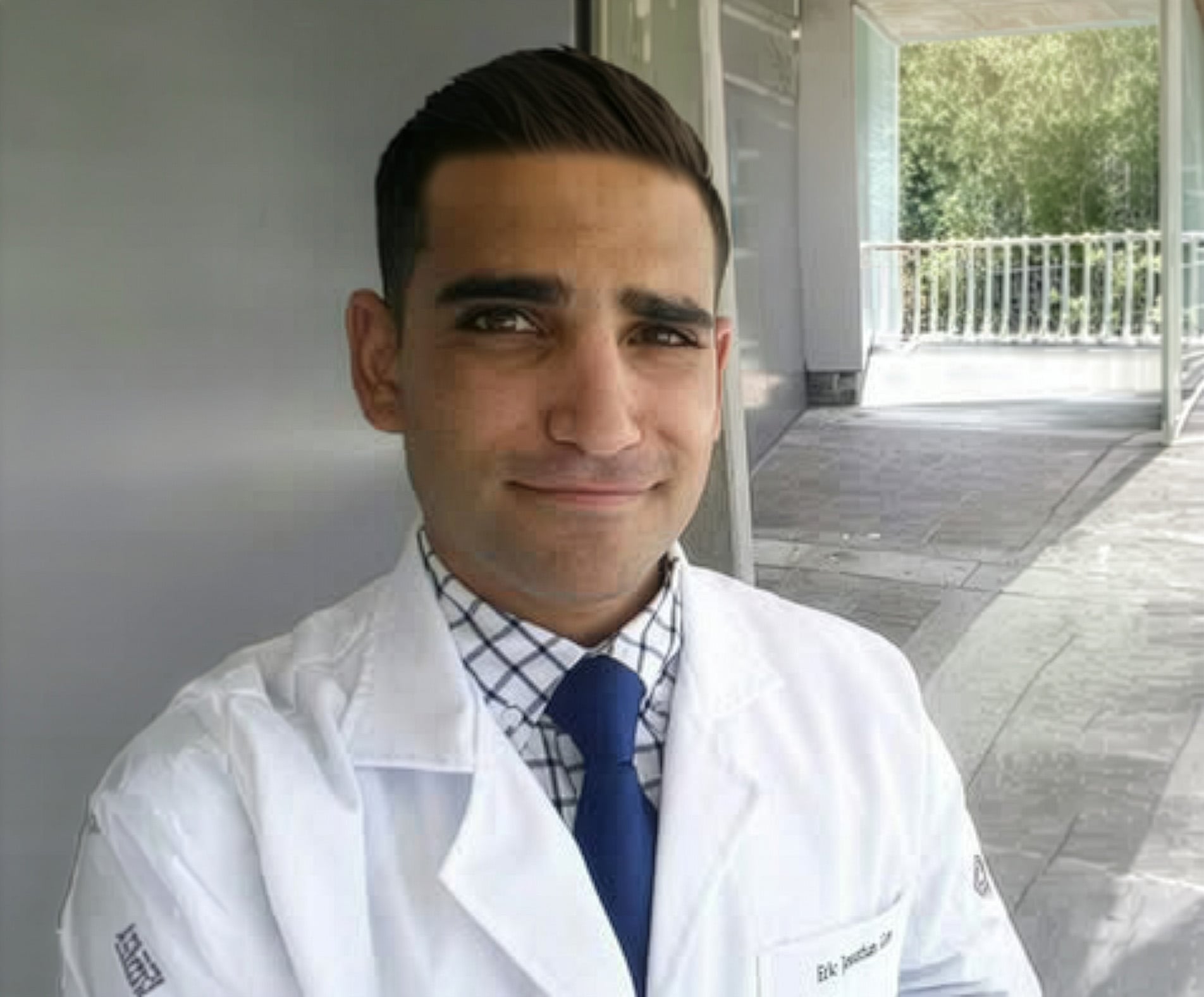
Board-Certified Orofacial Pain Specialist · Diplomate, American Board of Orofacial Pain · Assistant Professor, UCLA
Schedule your first evaluation with a board-certified orofacial pain specialist. We’ll take the time to listen and explain.
We accept Medicare and most major insurance plans.